
Medieval Daggers for Sale: Find Your Desired Draggers

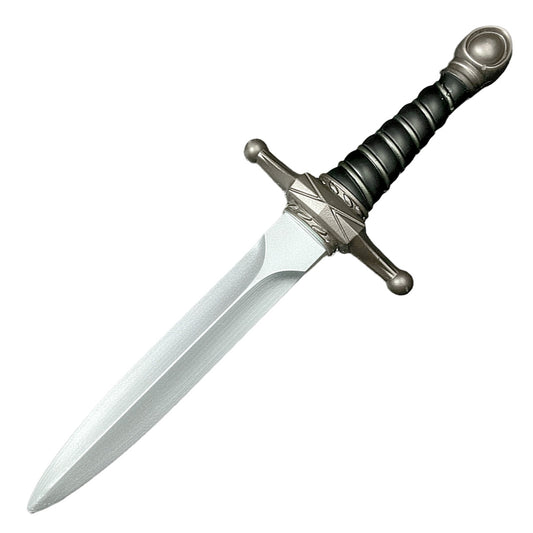
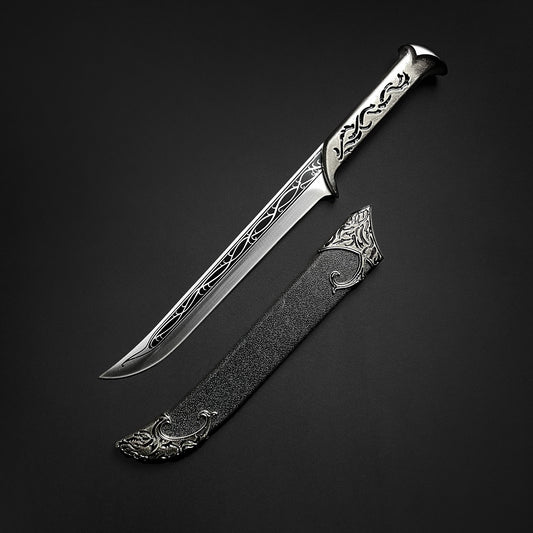
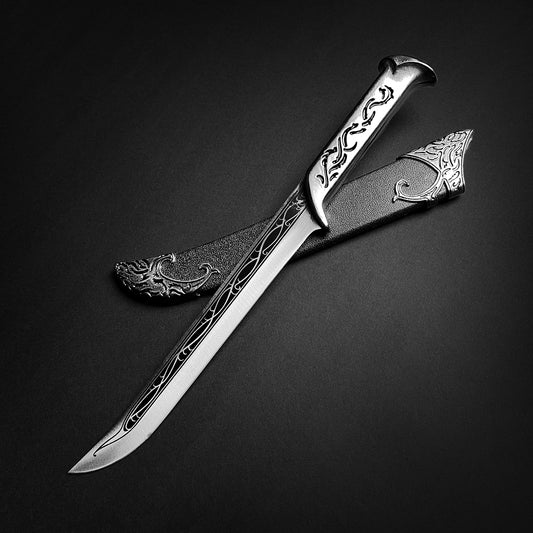
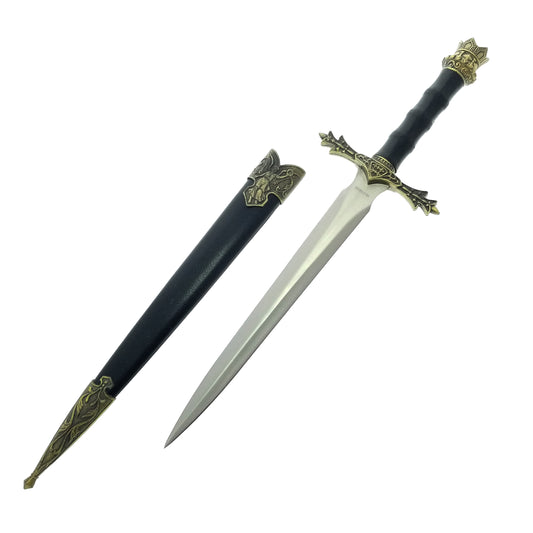
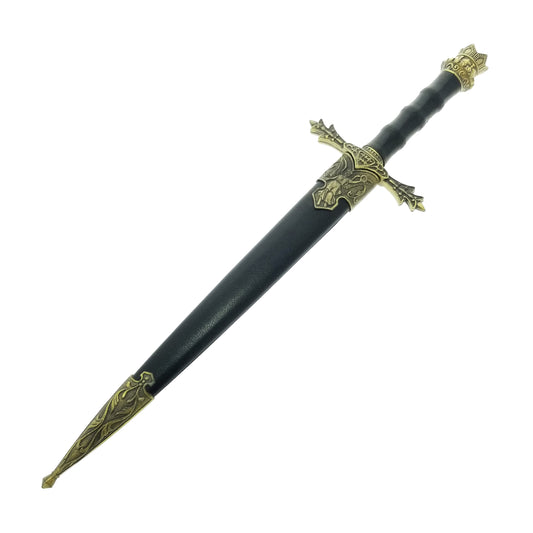


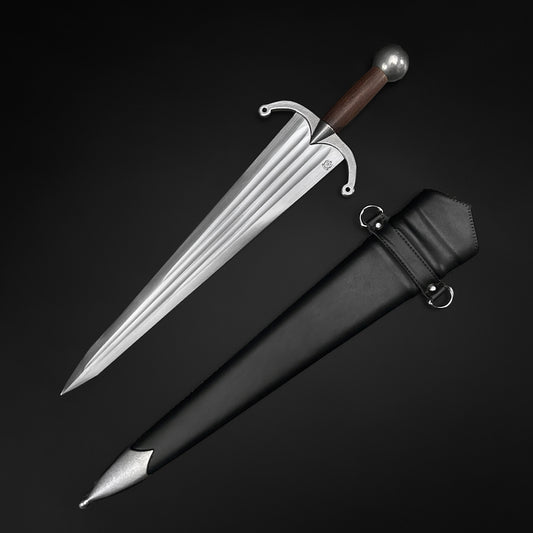
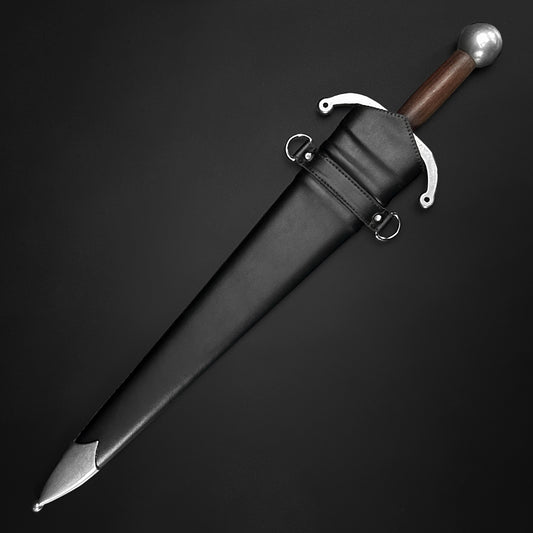
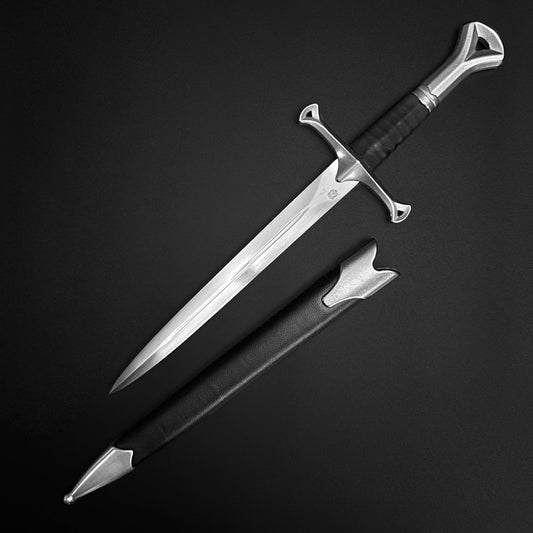
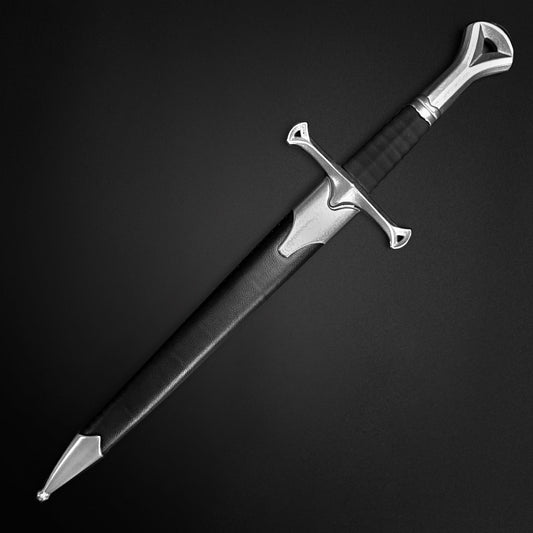
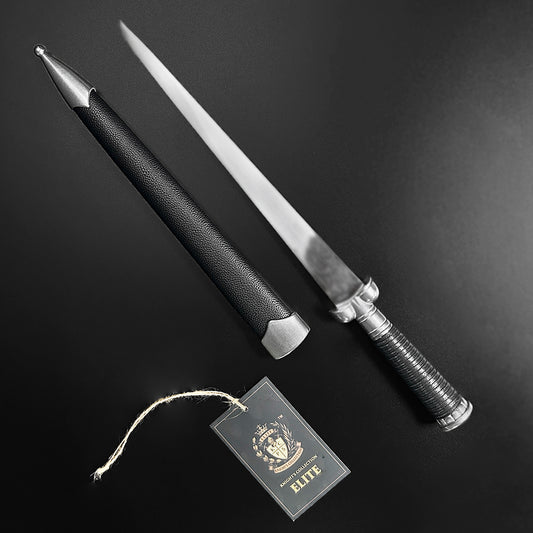
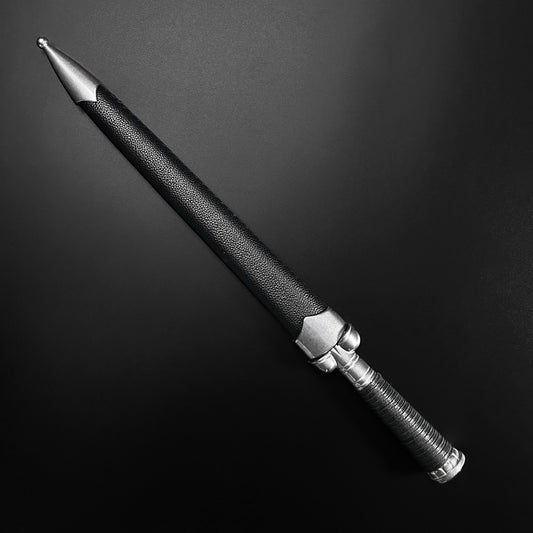
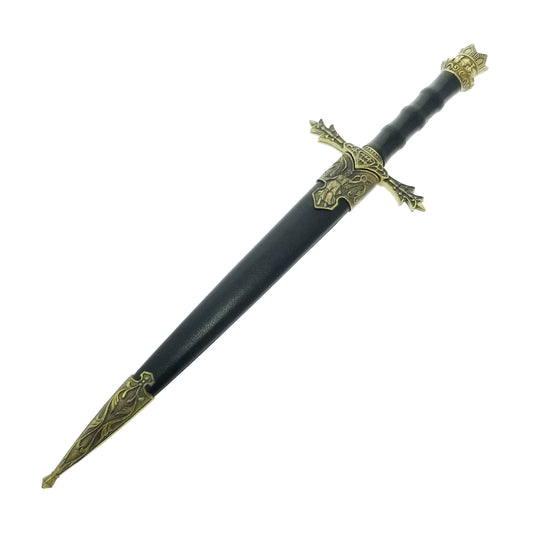
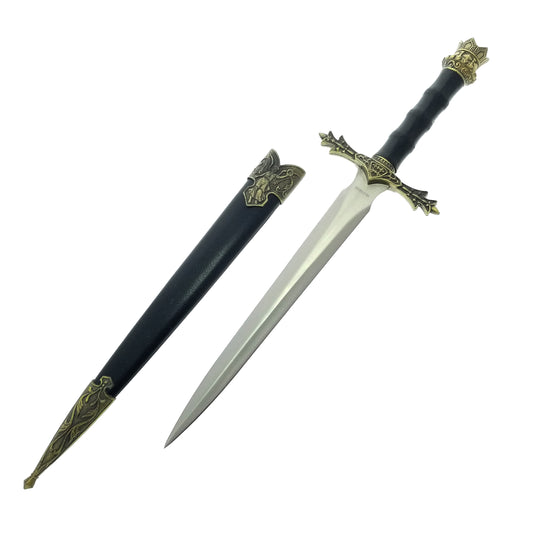
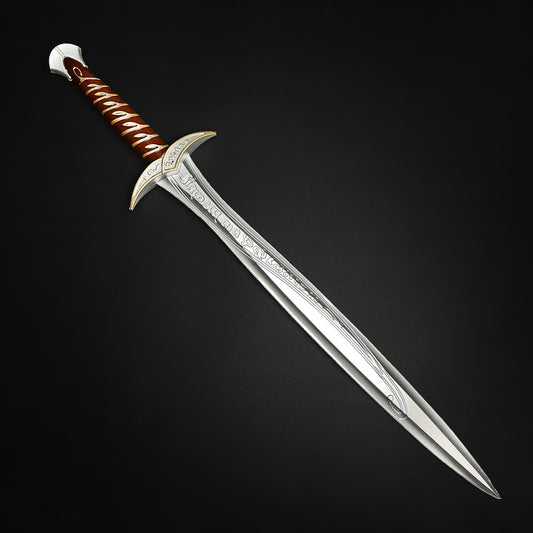
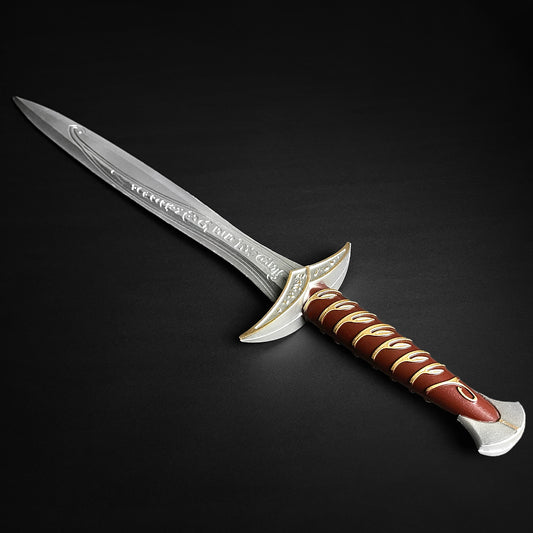
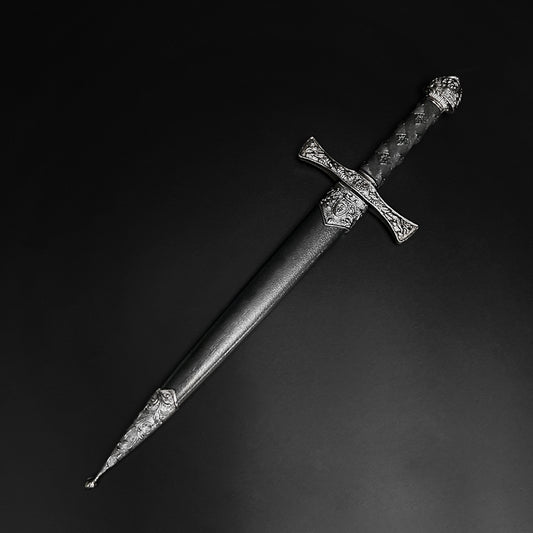
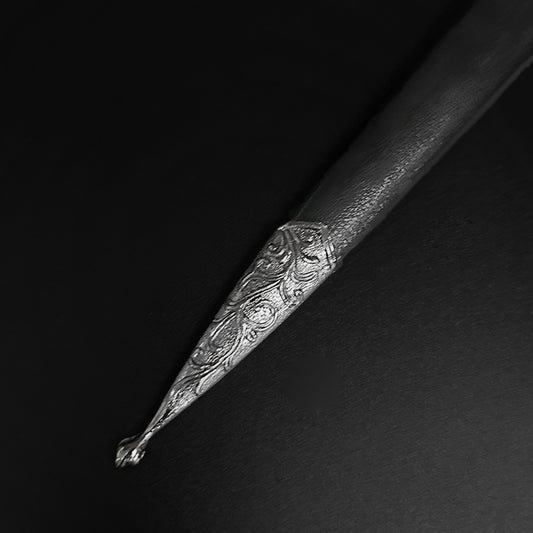
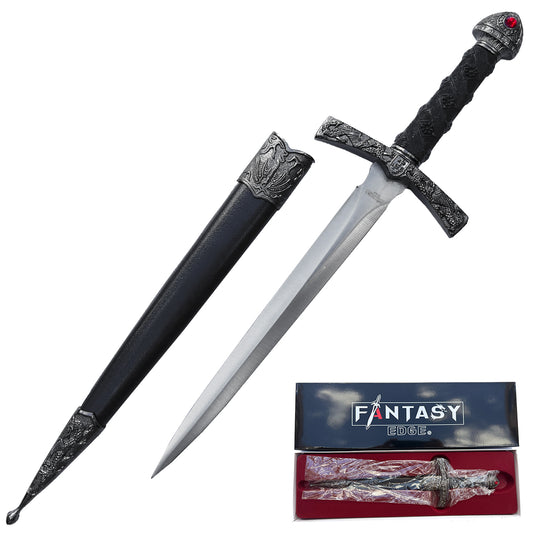
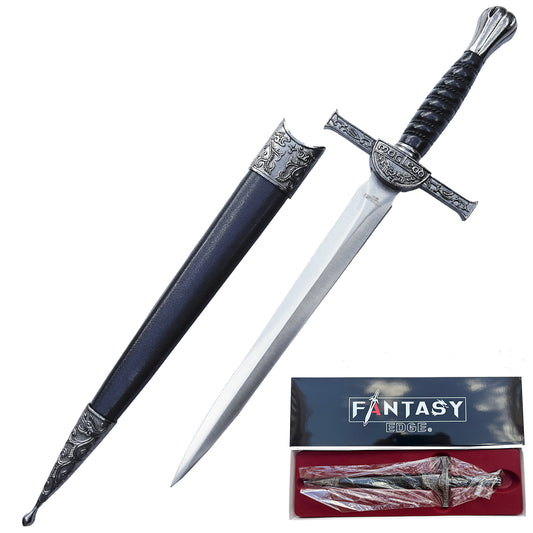
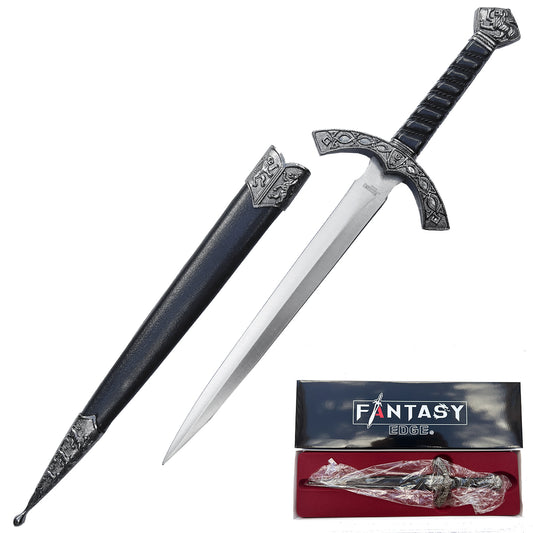
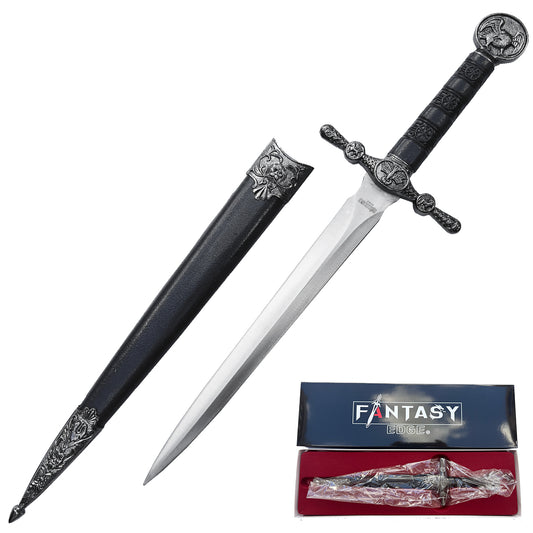
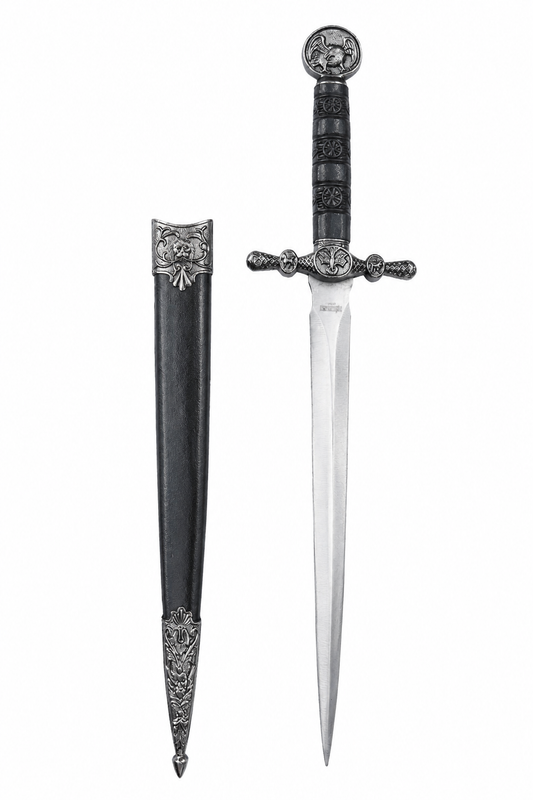
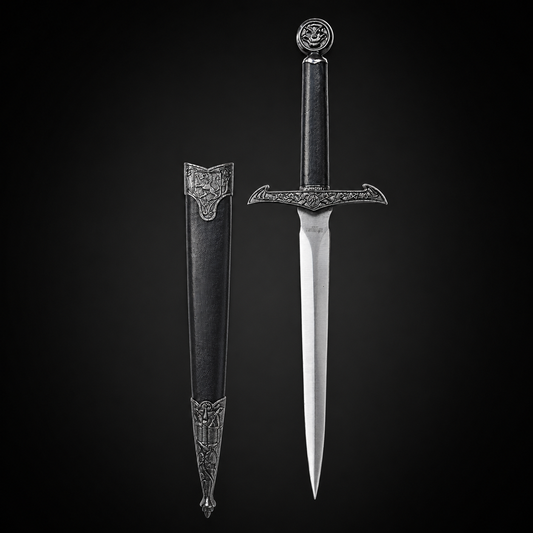
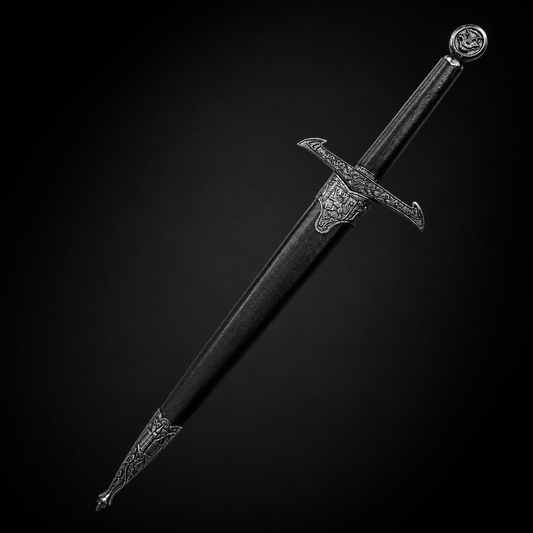
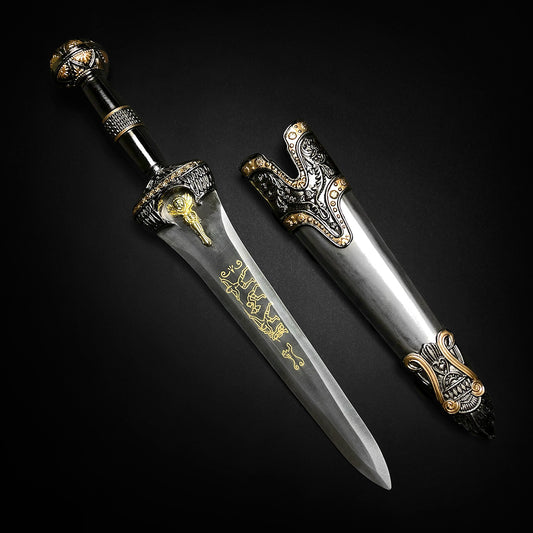
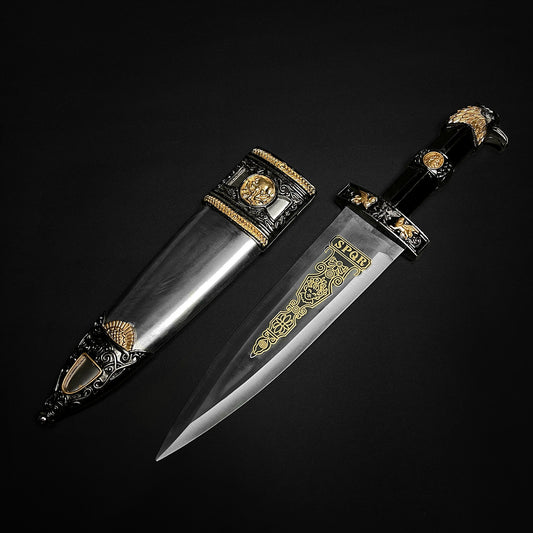
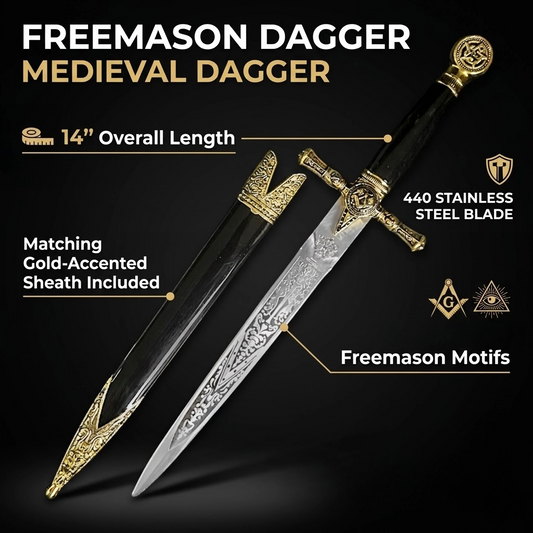
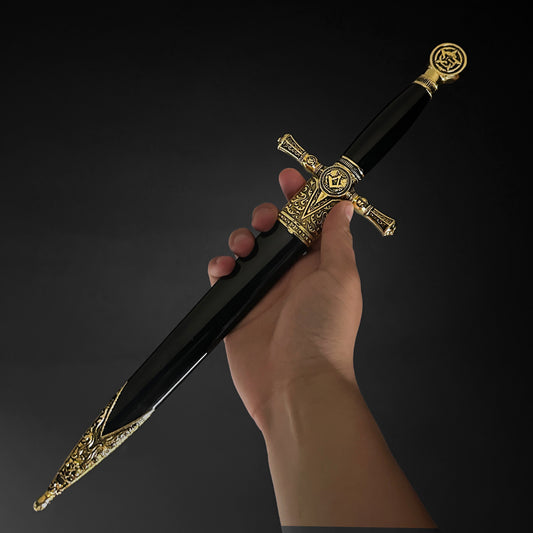
Medieval daggers are more than simple blades; they are tangible pieces of history that represent the artistry, conflict, and culture of the Middle Ages. As essential sidearms for knights, nobles, and commoners, these weapons played a crucial role in both warfare and daily life. This guide is designed to help you navigate the world of medieval daggers for sale, providing the knowledge you need to select, purchase, and care for these remarkable artifacts.
The Enduring History of Medieval Daggers
Origins and Development
The dagger's story is as old as civilization, but the medieval period saw its evolution into a specialized and sophisticated tool. Early medieval daggers were often straightforward, functional blades. However, as military technology advanced, particularly with the development of plate armor, daggers had to adapt. This need spurred the creation of new designs capable of piercing mail or slipping through the gaps in a suit of armor, transforming them into vital knightly armaments.
Symbolism and Usage
In medieval times, a dagger was a constant companion. It served as a last-ditch weapon in the chaos of close combat, a tool for personal defense in an unpredictable world, and a status symbol that conveyed wealth and standing. Its use extended beyond the battlefield into ceremony and daily life, cementing its place as an iconic piece of medieval weaponry.
Types of Medieval Daggers
Our heritage weapon collection showcases a variety of styles, each crafted for a specific purpose. Understanding these differences is key to appreciating their design.
Common Styles
-
Bodkin Dagger: The Bodkin is a testament to functional design. Its defining feature is a long, thin, and rigid blade, often with a triangular cross-section, engineered to pierce chainmail. It was a specialized armor-piercing tool, deadly in the hands of a skilled warrior.
-
Baselard: Known for its distinct H-shaped hilt, the Baselard offered a firm grip for powerful thrusting attacks. While used by soldiers, it gained immense popularity among civilians for self-defense and became a common sight in medieval cities.
-
Poniard: A long, slender dagger with a needle-like point, the Poniard was a weapon of both elegance and lethal efficiency. Favored by aristocrats and assassins, its design was perfect for swift, discreet strikes, earning it a prominent place in history and literature.
Materials Used
The quality of any dagger lies in its materials. Blades were forged from various grades of steel, balanced for hardness and resilience. Handles were fashioned from materials like wood, bone, horn, or metal, with leather wraps often added for improved grip and comfort. This combination of materials resulted in beautiful and effective hand-forged knives.
Where to Buy Medieval Daggers
Acquiring the right dagger for your collection starts with knowing where to look.
-
Online Retailers: The internet offers access to a global marketplace of replica swords and daggers. Focus on retailers who are transparent about their manufacturing process and are known for quality.
-
Physical Stores: Specialty weapon shops and vendors at Renaissance fairs provide a chance to handle the daggers firsthand. This hands-on experience allows you to assess the weight, balance, and craftsmanship up close.
-
Auctions and Collectible Shows: For those seeking genuine antique blades or rare collectible daggers, auctions are an excellent venue. It is vital to verify authenticity through provenance and expert appraisal before purchasing these vintage combat knives.
Factors to Consider When Buying
Making an informed purchase ensures you get a piece you will value for years.
-
Quality and Craftsmanship: A well-made dagger feels solid and balanced. The blade should be secure in the hilt with no looseness. For replicas, historical accuracy is a mark of quality. These are not just collectibles but also key medieval armor accessories.
-
Price Range: Costs can vary significantly. Simple, machine-made replicas are often affordable for beginners. High-quality, handcrafted reproductions and authentic historical artifacts will command a higher price that reflects their superior craftsmanship and rarity.
-
Legal Considerations: Dagger ownership laws vary by region. Before you buy, research and understand your local regulations regarding the purchase, possession, and transport of bladed weapons. Responsible ownership starts with legal compliance.
Why Choose Guild Arms for Your Collection?
At Guild Arms, our passion is connecting enthusiasts with high-quality, affordable blades. While you explore the world of historical weapons, we invite you to see what makes us different. Our mission is to provide knives that blend function, durability, and style, ensuring every collector and professional finds something to value.
We offer a diverse selection beyond historical pieces, including:
- Pocket & Folding Knives: Perfect for reliable everyday carry.
- Machetes: Built to handle the toughest outdoor tasks.
- Samurai Swords: Beautifully crafted blades that honor the spirit of the samurai.
Your satisfaction is our priority. We are committed to excellent quality and service. Explore the Guild Arms collection and join a community that shares your passion for fine blades.
Care and Maintenance of Your Dagger
Proper maintenance will protect your investment and preserve its condition.
-
Cleaning and Storage: To prevent rust, always keep the blade clean and dry. Apply a light coat of mineral oil or blade wax after handling. Store your dagger in a sheath or display case that allows for air circulation to prevent moisture buildup.
-
Repairs and Restoration: For significant issues like a bent blade or deep rust on an antique piece, consult a professional metalsmith or restorer. Minor repairs on replicas, like re-wrapping a handle, can often be done at home with care.
A Legacy Forged in Steel
Medieval daggers are powerful symbols of a bygone era. Collecting them is a way to connect with the stories of knights, nobles, and artisans from centuries past. We encourage you to build your collection responsibly and continue to explore the rich history of medieval life.
Ready to find your perfect blade? Explore our collection today and own a piece of history.
Frequently Asked Questions (FAQ)
1. What is a medieval dagger?
A medieval dagger is a short-bladed weapon commonly used during the Middle Ages for close combat, self-defense, and ceremonial purposes. It was an essential sidearm for knights, soldiers, and civilians, often carried alongside a sword. Today, replica medieval daggers allow collectors to own a piece of history that reflects the artistry and function of medieval warfare.
2. Are the medieval daggers for sale at Guild Arms real weapons or replicas?
Our medieval daggers for sale include both functional replicas and decorative display pieces. Functional daggers are hand-forged from high-quality steel and designed to replicate the durability and balance of authentic historical weapons. Decorative models, on the other hand, are ideal for collectors and enthusiasts seeking museum-style presentation.
3. What materials are used to craft your medieval daggers?
Each Guild Arms dagger is forged from premium-grade steel to ensure strength and sharpness. Handles are crafted from materials like wood, horn, bone, or metal, and are often wrapped in leather for a comfortable grip. This blend of traditional craftsmanship and durable materials ensures authenticity and long-lasting performance.
4. What are the most common types of medieval daggers?
The most popular styles include:
-
Bodkin Dagger: Designed with a thin, pointed blade for piercing armor and chainmail.
-
Baselard: Recognized by its distinctive H-shaped hilt and robust thrusting design.
-
Poniard: A slender, needle-point dagger often associated with nobles and stealthy combat.
Each type has its own historical significance and reflects the tactical needs of the medieval battlefield.
5. How do I choose the right medieval dagger for my collection?
When selecting a medieval dagger, consider its purpose — whether for display, collection, or reenactment. Look for blades that are well-balanced, historically accurate, and forged with high-quality steel. Authentic design and craftsmanship are key indicators of a superior historical replica weapon.