
Musha Samurai Swords – Hand-Forged Japanese Sword Crafted with Traditional Excellence


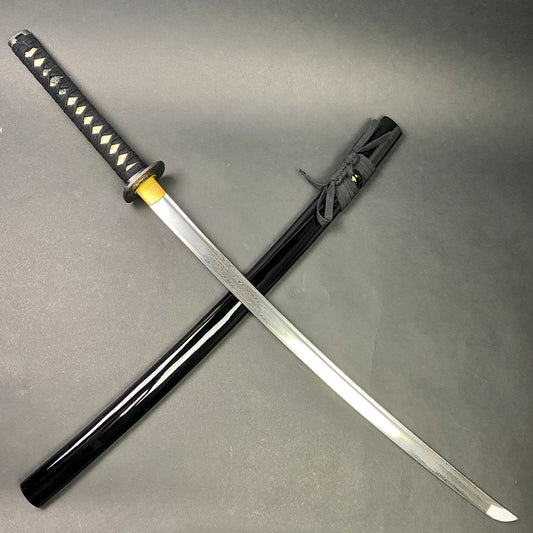
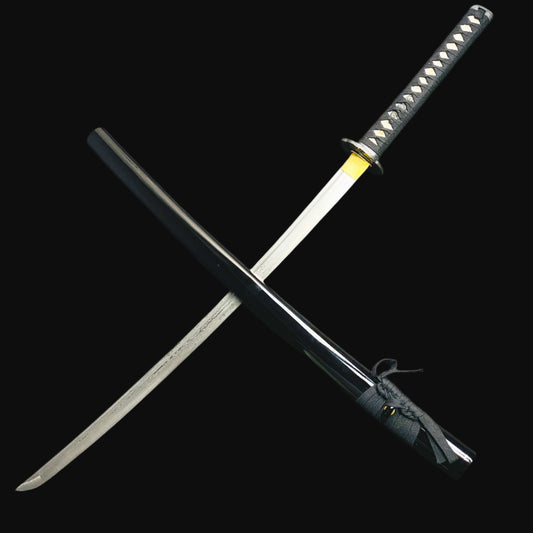
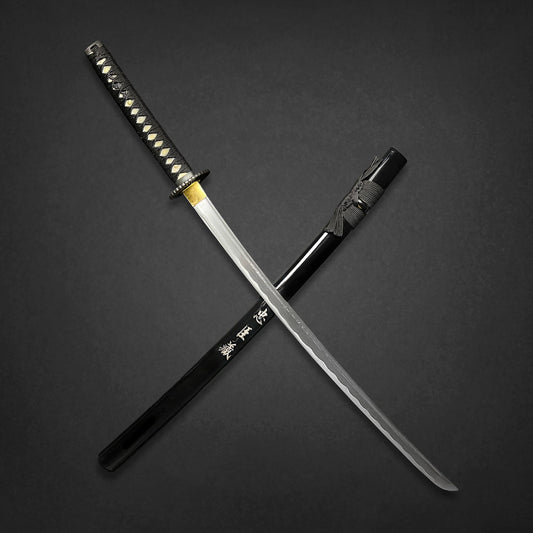
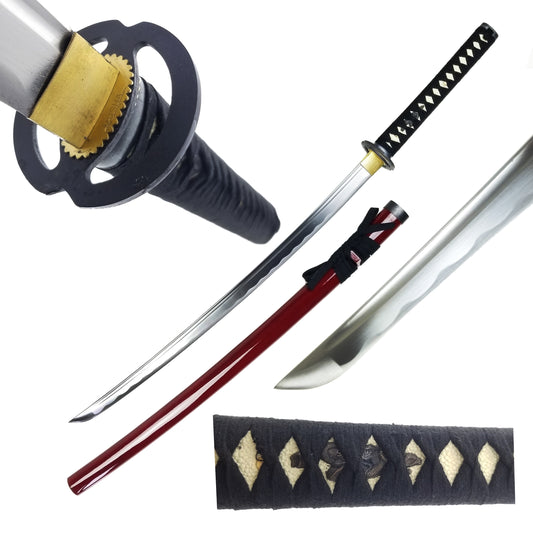
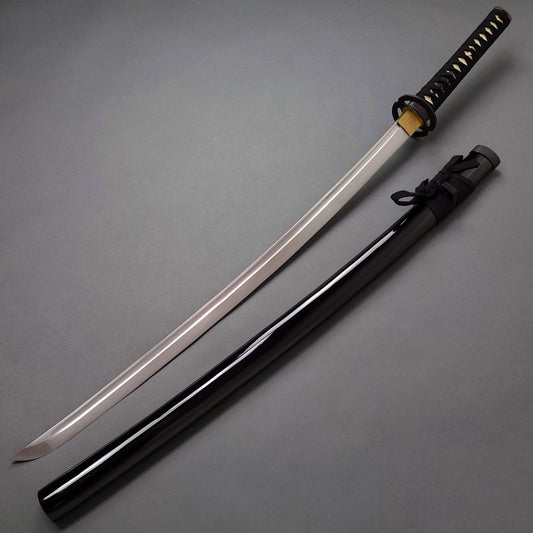
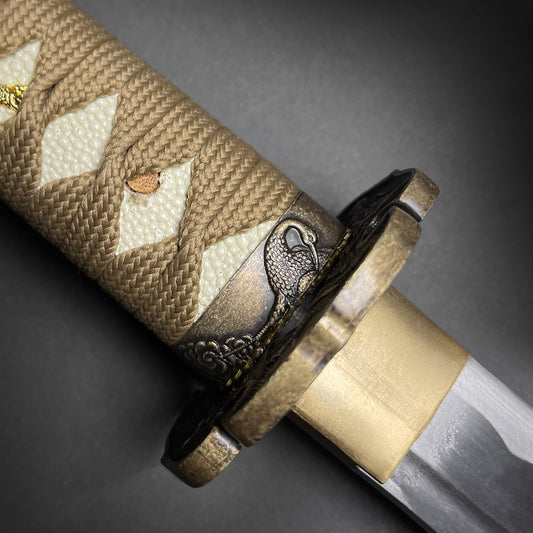
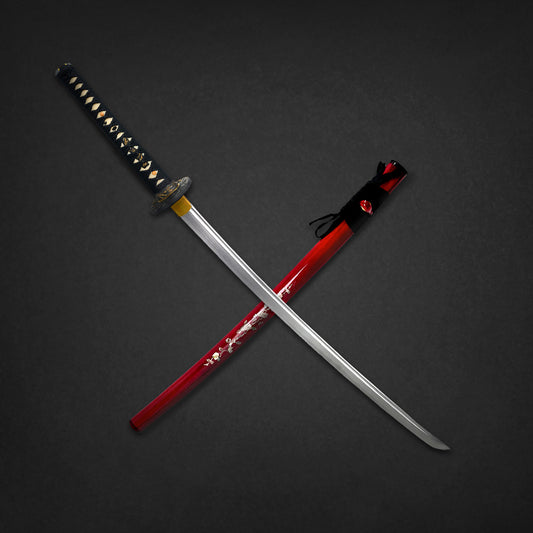
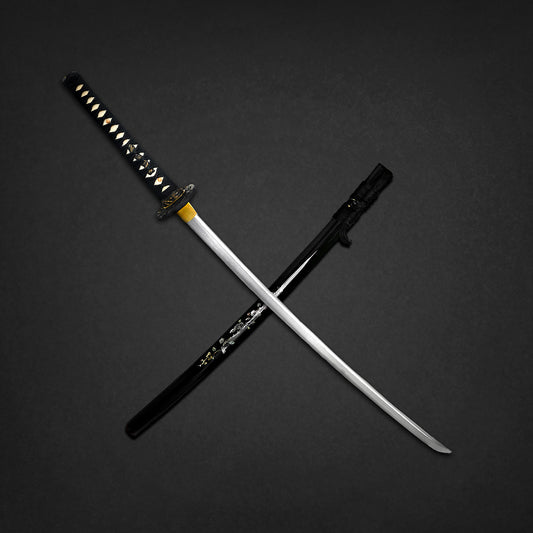
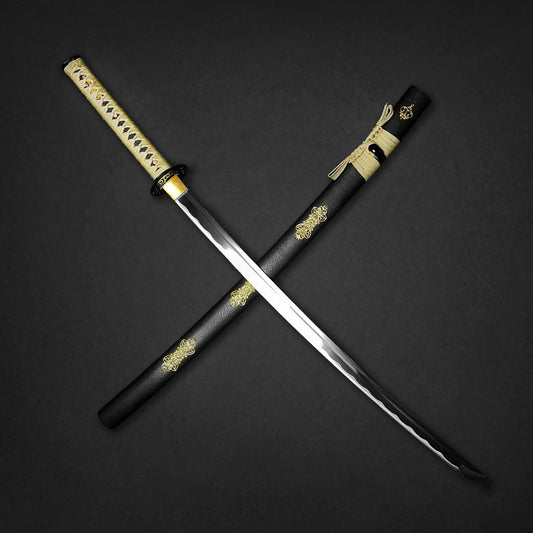
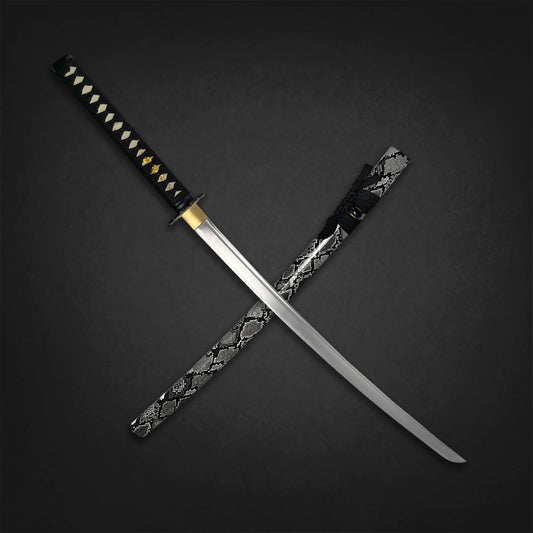
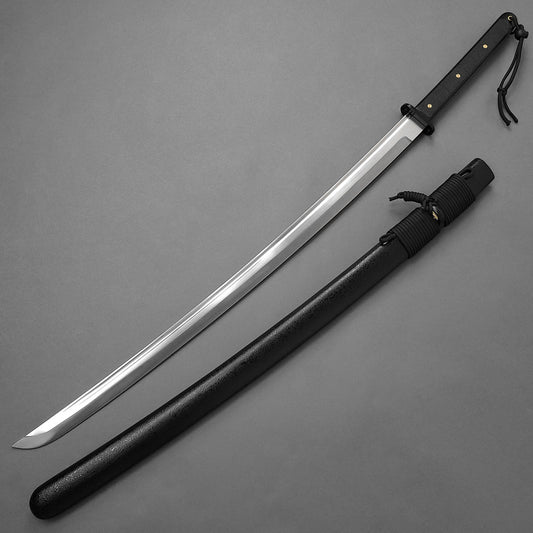
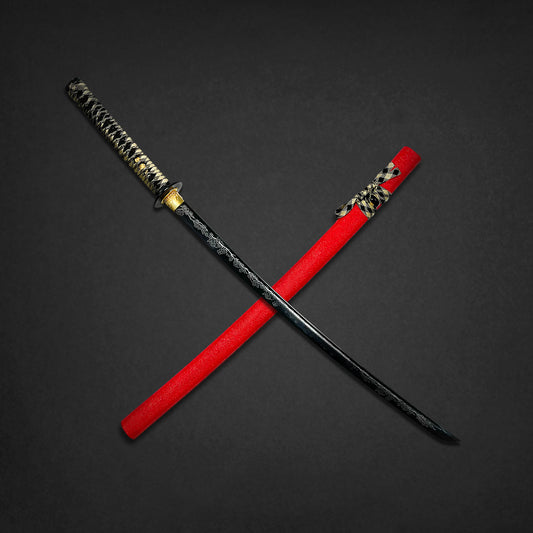
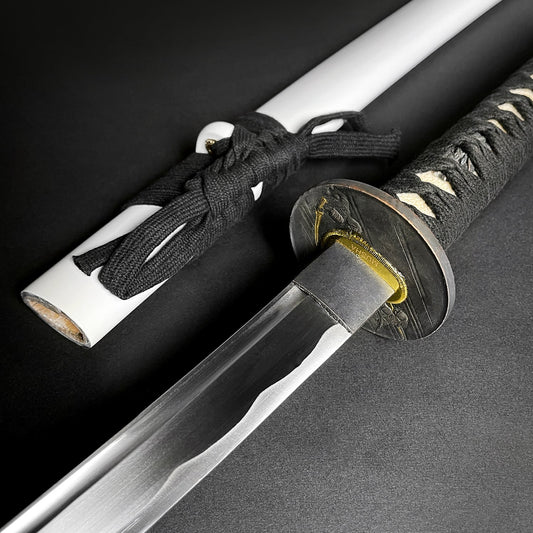
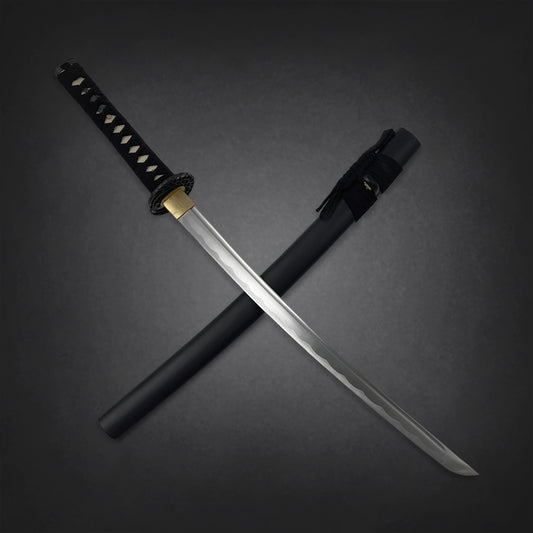
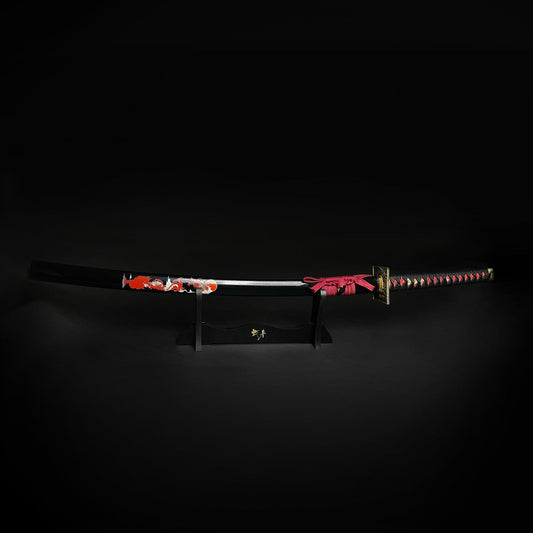
The Musha Samurai Sword represents more than a weapon; it is a timeless symbol of honor, precision, and the artistry of Japanese craftsmanship. Crafted with a deep respect for tradition, this Japanese sword reflects centuries of refinement in blade craftsmanship, hand forging, and the spiritual discipline of the samurai.
In this article, we explore the history, design, and cultural value of the Musha samurai sword, an iconic piece of Japan’s warrior heritage.
Historical Context
The story of the samurai sword begins in Japan’s Heian period, when swordsmiths began crafting blades that balanced strength with flexibility. Over the centuries, techniques evolved especially during the Kamakura and Muromachi periods giving rise to the curved, razor-sharp katana we recognize today. These weapons were not only tools of war but also symbols of a warrior’s soul.
The Role of Samurai in Feudal Japan
Samurai were elite warriors sworn to protect their lords and uphold the Bushido code, a philosophy centered on honor, loyalty, and courage. Their swords were more than historical weapons; they were reflections of personal integrity and martial skill. Owning a well-forged sword was a mark of both prestige and spiritual dedication.
Musha Samurai Sword Overview
The term “Musha” translates to “warrior” in Japanese, representing the noble class of samurai who lived by the code of Bushido. A Musha Samurai Sword captures that spirit a blade crafted for both functionality and symbolic strength. Designed with battle-ready precision, Musha swords honor the ancient balance between beauty and power.
Design Features
-
Blade Construction: The Musha katana typically features a curved blade, optimized for both cutting efficiency and visual elegance. The curvature enhances the slicing motion central to martial arts practice.
-
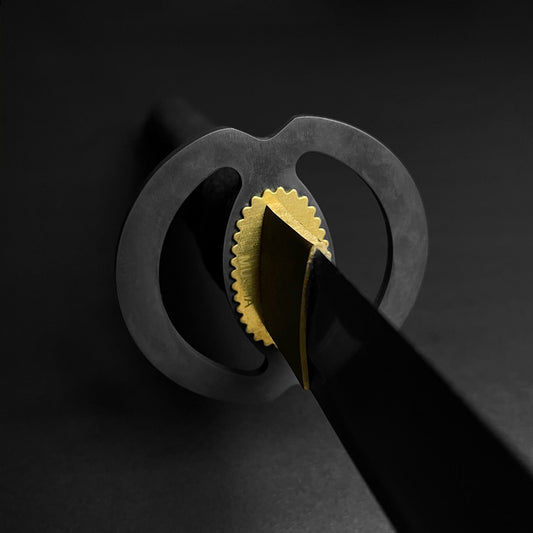
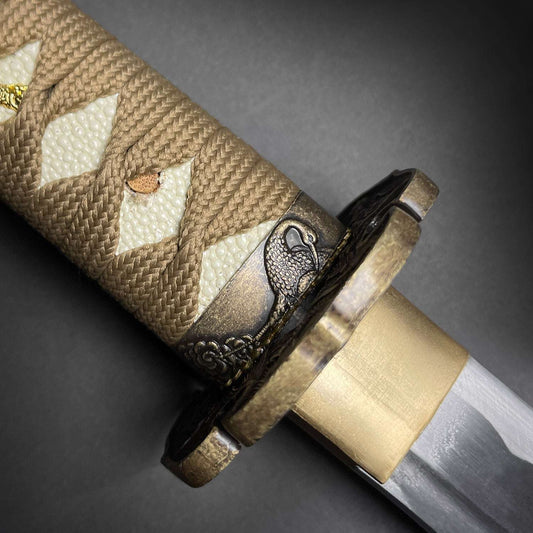
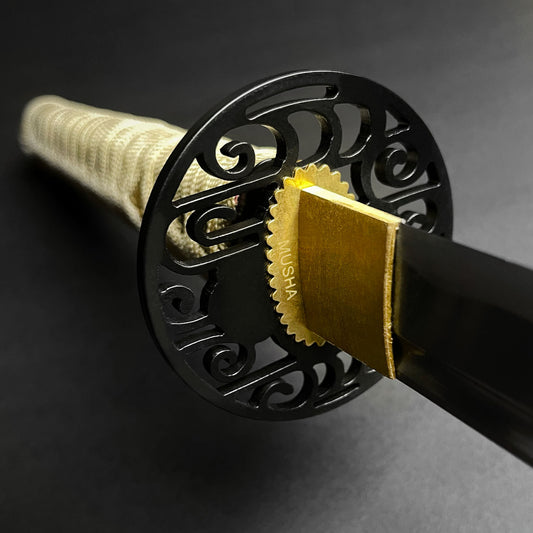
Tsuba (Guard): The tsuba serves not just as a protective handguard but as a decorative centerpiece. Crafted in brass, iron, or alloy, each guard reflects traditional Japanese artistry.
-
Handle and Grip: Wrapped in ray skin and cotton or leather cord, the tsuka (handle) ensures a firm, balanced grip perfect for both ceremonial display and practice use.
Craftsmanship and Production
-
Materials Used
A genuine Musha Samurai Sword often utilizes high-carbon steel or Tamahagane, the same metal historically used in authentic Japanese swords. Combined with wooden scabbards, leather grips, and decorative fittings, each sword becomes a unique fusion of artistry and durability.
-
Manufacturing Process
The forging of a Musha sword involves a mix of traditional hand-forging and modern enhancements. Each blade is heated, folded, and hammered repeatedly, a process that removes impurities and strengthens the steel. Skilled artisans use time-honored methods to produce a perfect edge, ensuring the sword embodies both strength and grace.
Cultural Significance
In Japanese culture, the sword represents the warrior’s spirit, a sacred connection between weapon and wielder. The Musha Samurai Sword, like its historical predecessors, embodies courage, discipline, and purity. It serves as a ceremonial sword as much as a symbol of spiritual dedication.
From movies and anime to martial arts demonstrations, samurai swords continue to inspire. The influence of these weapons has shaped global fascination with Japanese warriors and their way of life. Owning a Musha samurai sword allows enthusiasts to connect with that legacy.
Maintenance and Care
Proper care ensures your sword remains in pristine condition. Regular cleaning with specialized oil and microfiber cloths prevents rust and oxidation. Always store your Japanese sword in a dry, horizontal position, with the blade edge facing upward to protect its sharpness.
A sharp edge is vital for preserving authenticity and performance. Use professional sharpening stones or tools designed for katana maintenance, ensuring even sharpening without damaging the blade’s curvature.
Why Choose Guild Arms?
At Guild Arms, we are passionate about providing high-quality, affordable knives and swords to enthusiasts and professionals alike. Our collection reflects a deep appreciation for craftsmanship, tradition, and performance from pocket knives and machetes to samurai swords like the Musha katana.
-
Quality Craftsmanship: Each blade is forged from premium materials to ensure superior durability, sharpness, and performance.
-
Affordable Prices: We believe every collector and martial artist should own a high-quality sword without breaking the bank.
Diverse Selection: From pocket knives to samurai weapons, our collection caters to a wide range of needs and preferences.
- Customer Satisfaction: Your satisfaction is our top priority. We're committed to providing outstanding service and product support.
Join the Guild Arms community and experience the art, tradition, and reliability that define our brand. Discover your next Japanese sword or Musha Samurai Sword today and embrace the timeless legacy of the samurai.
The Musha Samurai Sword stands as a masterpiece of Japanese craftsmanship, a living embodiment of history, honor, and artistry. Whether you’re a collector, martial artist, or admirer of Japanese culture, this sword connects you to the discipline and spirit of the samurai.
Explore our collection at Guild Arms and experience the perfect fusion of tradition, performance, and passion one blade at a time.
Frequently Asked Questions (FAQ)
1. What is a Musha Samurai Sword?
A Musha Samurai Sword is a high-quality, battle-ready Japanese sword inspired by traditional samurai craftsmanship. The term “Musha” means “warrior” in Japanese, and these swords are designed to capture the essence of samurai spirit, discipline, and artistry.
2. Are Musha Samurai Swords real or decorative?
Musha Samurai Swords are available in both functional (battle-ready) and decorative versions. Functional models are made using hand-forging techniques and high-carbon steel, making them suitable for martial arts practice and cutting demonstrations. Decorative swords, on the other hand, are ideal for display or ceremonial use.
3. What materials are used to make a Musha Samurai Sword?
A typical Musha katana is crafted from high-carbon steel or Tamahagane, the traditional Japanese steel used for samurai weapons. Handles are often wrapped in ray skin and cotton or leather for a secure grip, while fittings like the tsuba (guard) are made from brass or alloy.
4. How does the Musha Samurai Sword differ from a regular katana?
While both are Japanese swords, the Musha Samurai Sword emphasizes affordability without compromising on blade craftsmanship or design authenticity. It combines traditional forging techniques with modern production efficiency, making it a popular choice for collectors and martial artists alike.
5. Is the Musha Samurai Sword suitable for martial arts practice?
Yes. Many Musha swords are designed for martial arts training, including Iaido and Kenjutsu. However, it’s important to confirm whether your model is labeled as “battle-ready” or “decorative” before using it for practice.